


The Weekly Roar
In this week’s Roar: High Trans-Pacific spot rates, updates on global port congestion, expanding U.S. manufacturing, outbound Chinese air cargo, and how to improve response times throughout the supply chain.
 Trans-Pacific spot rates are at a new high, with Asia-U.S. lanes up 2% last week and 40% to 70% higher than pre-peak May levels. Ongoing port congestion in Asia, along with constrained capacity and strong demand, is keeping rates elevated. Some European prices from Asia have stabilized but remain well above earlier levels.
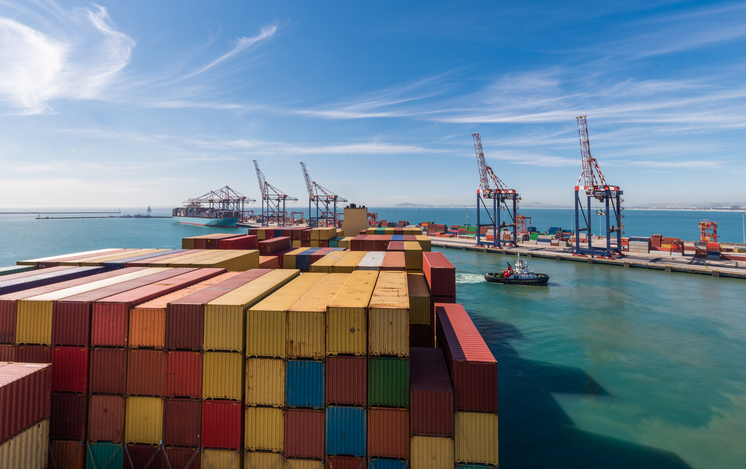
As of early September, port congestion remains high with widespread delays across all major global gateways. Chinese ports have faced disruptions from typhoons, with Shanghai averaging 4.76 days. In South Africa. Durban is facing average wait times of 5.1 days, driven by persistent backlogs. Europe is dealing with labor disruptions and low river levels, which are adding pressure, though average port wait times remain below two days at most major European gateways.
U.S. manufacturing expanded in August for the eighth straight month. The current PMI is at 54.6, which is above the 12-month average. While there is growth in production, new orders, and employment, the pace is slower than it was in July. Dampening economic optimism is that supplier deliveries are still delayed, prices are still rising, and low consumer inventories persist. Not surprisingly, economic uncertainty, tariffs, and the Iran war all factor into the outlook.
The global air cargo market is showing unevenness by region. China-Europe air cargo volumes appear to be stabilizing, up 1% week-on-week. However, year-on-year volumes from China to Europe are down 8% and down 33% from Hong Kong. U.S.-bound shipments are up, with tonnage from China and Hong Kong up 11% and 9% respectively, compared to last year.
New benchmarks show that even with advanced analytics, it can take more than 16 days before supply chains react to critical risk information. Organizations that want to reduce response latency need to clarify ownership, cut approvals, and standardize their processes. And of course, learning from past disruptions will enhance future supply chain speed, resilience, and agility. We’ve learned plenty over the past 6 years.
For the rest of the week’s top shipping news, check out the article highlights below.