


The Weekly Roar
In this week’s Roar: Suez Canal traffic is up, Canada’s retaliatory tariffs, how current maritime rules are threatening supply chains, the vulnerability of America’s ports, and a report on emissions.
Hope for a full return of Red Sea shipping has been on a roller coaster. A positive is that Suez Canal traffic was up 27% in July compared with last year, as disruptions around the Strait of Hormuz and shifting security conditions in the Red Sea prompt changes in global shipping routes. Volumes and canal revenue remain below pre-crisis highs, but usage is expected to continue rebounding. The increase is not fully attributable to a return to normal shipping in the region. Part of it comes from oil transit from Saudi Arabia moving north to avoid the Bab El-Mandeb area (which is some good news in itself). News late last week, however, is that the Houthis have taken over a key port in Yemen, which may be a step back.
There is no good news regarding U.S.-Canada trade relations right now. Canada has imposed retaliatory tariffs of 15% to 50% on CA$27.6 billion of U.S. goods, as trade tensions escalate after negotiations failed. Targeted items include steel, aluminum, household appliances, and electronics. Cross-border trade is completely disrupted, and relations between the two countries remain strained.
 The Consultative Shipping Group warns that patchy maritime rules and inconsistent enforcement could threaten global supply chains, raising costs and increasing disruption risks. With more than eighty percent of world trade transported by sea, the CSG is calling for stronger international cooperation, consistent application of standards, and support for multilateral frameworks like the IMO and the UNCLOS to ensure stability and fair competition.
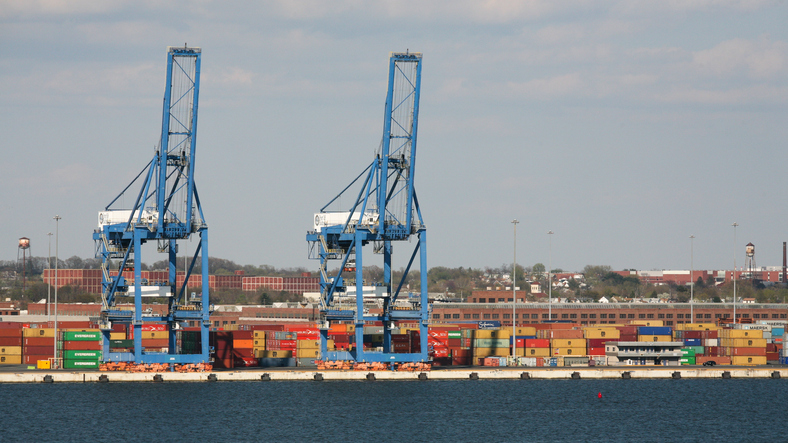
A review from the U.S. Coast Guard says that America’s ports are increasingly vulnerable as ship sizes and risks are increasing faster than the infrastructure they require. Major risks include bridge strikes and vessel collisions along outdated waterways with understaffed safety programs. The report recommends improvements such as upgraded pilot training, more tugs, and stronger bridge protections.
There’s data showing just how different emissions can be between ocean carriers. A recent analysis reveals a 31% emissions gap between those operating the same trade lanes. Even though there have been fleet-wide improvements among larger ships, overall emissions intensity is up 1.5% year-over-year in Q2 2026. Most ship classes have improved their efficiency, but the biggest difference in emissions is vessel utilization. This shows that operational practices play an important role in sustainability, not just the equipment.
For the rest of the week’s top shipping news, check out the article highlights below.