


The Weekly Roar
In this week’s Roar: Tariff cuts between the US and China, the suspension of Section 301 fees, air cargo demand stays strong, the Panama Canal Authority easing restrictions, and oil flows through the Strait of Hormuz.
 The recent state visit between the US and China was productive, with both countries agreeing to reciprocal tariff cuts on about $30 billion worth of non-sensitive goods each. The move affects over 1,600 US products and 77 Chinese categories. Tariffs will be reduced to most-favored-nation rates on more than 90% of items, which will help US consumer brands and Chinese exporters.
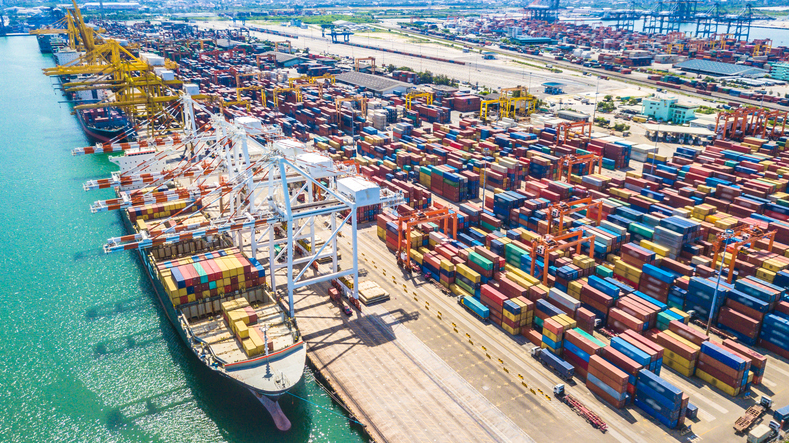
Hoping to build on last week’s positive trade developments, the National Retail Federation and other trade groups are urging the US Trade Representative to extend the suspension of Section 301 fees on China-linked vessels beyond November 9. The opinion is that resuming the fees would increase costs and uncertainty for US importers, strain supply chains, and risk retaliatory measures, especially amid already high transportation expenses.
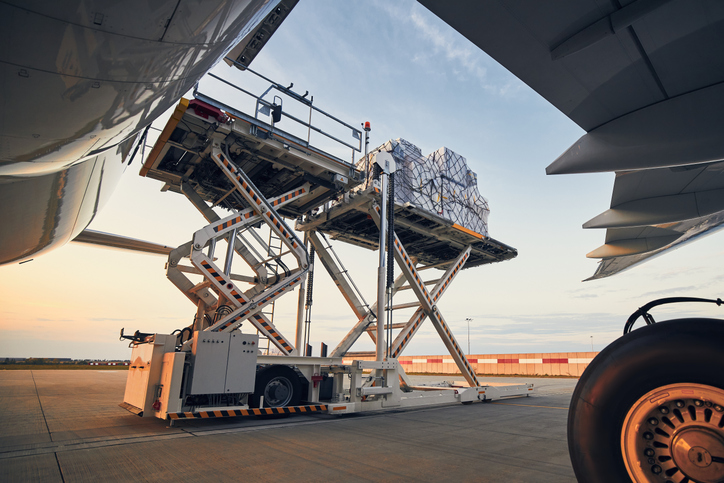
Global air cargo demand rose 4.4% year-on-year in August, with all regions reporting growth. North America is in the lead at 6.6%, while Asia-Pacific and Europe saw increases of 4.3% and 4.1% respectively, and capacity dipped 0.1%. Strong demand, higher load factors, and rising yields signal a positive outlook for peak season.
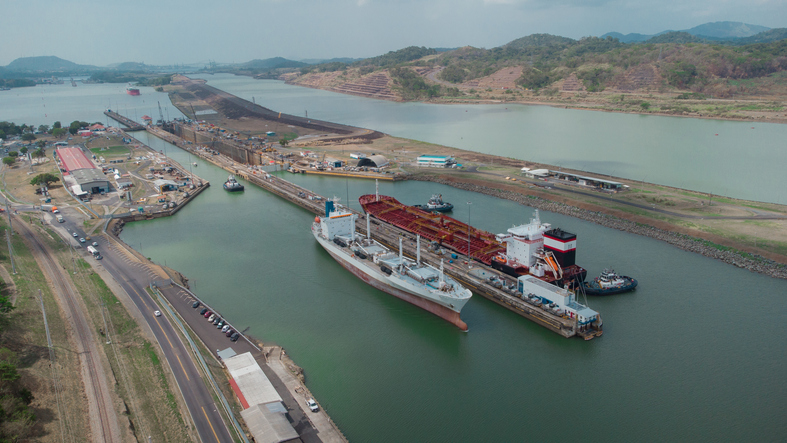
In some good news for supply chains and energy markets, The Panama Canal Authority is easing drought-related restrictions, increasing daily Neopanamax transits to 10 and raising the maximum draft to 49 feet. The changes, effective by mid-October, will mostly benefit LNG carriers and large container ships. However, canal officials are warning that water levels will require ongoing monitoring, and reservation slots will remain essential due to limited capacity.
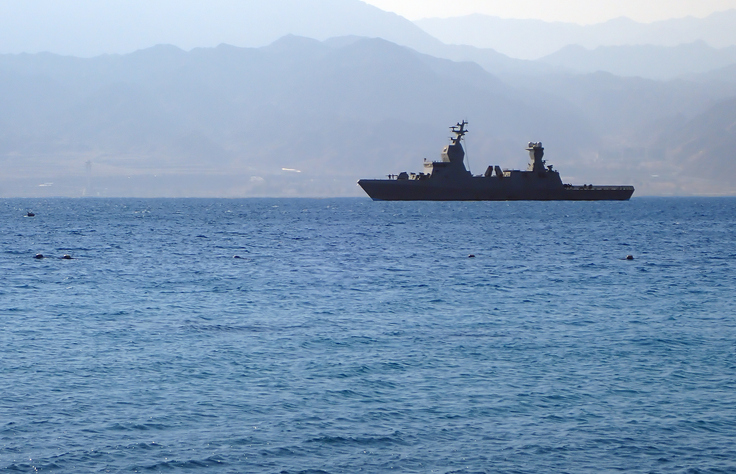
Iran’s leverage over the Strait of Hormuz may be waning, according to reports, as Gulf crude flows have rebounded to 98% of prewar levels. The change is in large part due to US military escorts and some creative supply solutions. However, the status quo is fragile and still straining US resources and global inventories. Oil prices remain high, supply risks persist, and Iran is responding with increased tanker attacks as it loses economic influence.
For the rest of the week’s top shipping news, check out the article highlights below.