


The Weekly Roar
In this week’s Roar: Ocean freight risks ahead, another strong month in LA/ LB, air rates climbing as traffic slows, congested shipping docks, and the rise of AI agents.
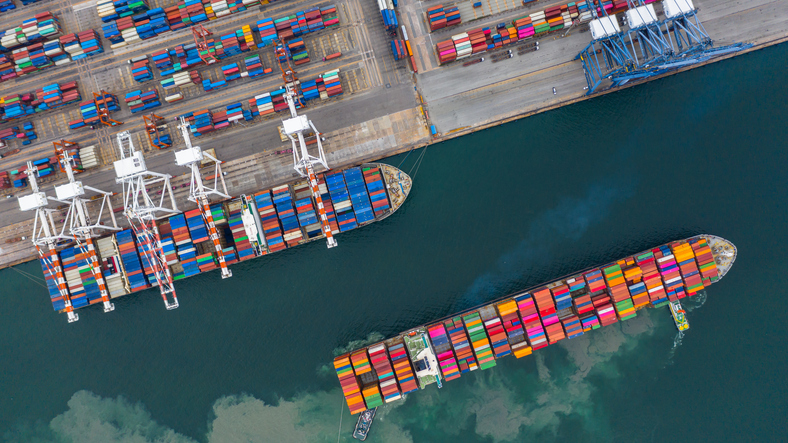
Ocean shippers face a challenging month ahead, according to a new freight risk outlook. On Asia to North America lanes, capacity is expected to keep tightening as carriers reduce planned sailings, and on-time performance slipped to 25.6% in October. Reliability on Asia to Europe lanes is weaker still at just 9.3%. Analysts recommend booking early and building extra lead time (even when published transit times look shorter).
Import demand remains strong in the U.S. Long Beach had its second-busiest October on record, moving 937,715 TEUs, up 11.7% from a year ago, with imports up nearly 15%. The port is running nearly 5% ahead of last year’s record pace, and officials expect another round of front-loading ahead of the January 10 expiration of the U.S.-China trade truce. The surge is putting pressure on rail, where dwell times have climbed to about six and a half days from a four-day average, so cargo moving inland should be planned accordingly.
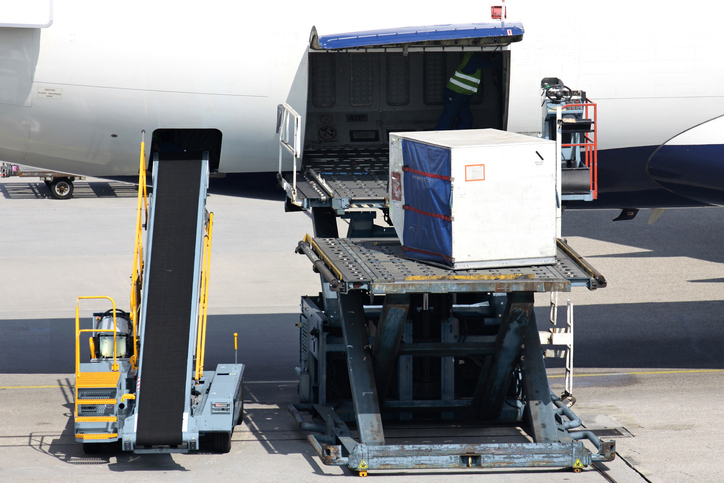
 Air cargo rates continue to climb even as traffic slows. Global rates rose 2% week over week and are up 31% from a year ago, while worldwide tonnage fell 2%. Rates from Asia to the U.S. have increased for four straight weeks and are up 44% year over year, supported by tight capacity and demand for AI-related shipments. The expected peak season surge hasn’t hit yet, but analysts say tight capacity continues to support higher rates.
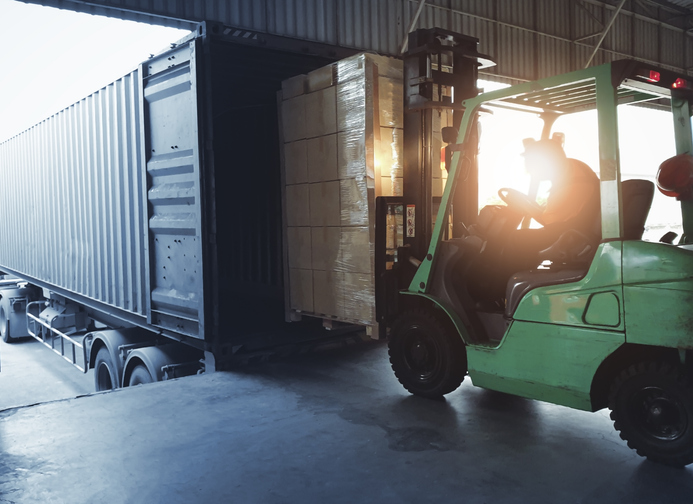
A new bottleneck may be emerging in your warehouse operations. A new survey says the shipping dock has overtaken receiving as the most congested area in the warehouse. Nearly a third of respondents named the shipping dock their biggest bottleneck, up from 9% a year ago, while average peak space utilization fell from 75% to 71.6%. For shippers, closer coordination of pickup appointments with carriers can help keep outbound freight moving.
AI agents are gaining ground in supply chains, but few expect them to take over completely. A new study found that 22% of organizations have piloted or implemented AI agents, up from 16% last year, and 65% have set aside funding for them. However, only 25% expect fully automated supply chains within three to five years, down from 37% in 2025, and 84% say people must keep the authority to validate AI-driven decisions.
For the rest of the week’s top shipping news, check out the article highlights below.