


The Weekly Roar
In this week’s Roar: Midterm results and trade policy, Red Sea traffic returns (for real), tanker attacks continue, record October imports, and airfreight rates reach a high.
The recent U.S. midterm elections have added a new uncertainty for supply chains, but there could be long-term positives. Analysts say a new Congress could favor more selective tariffs and closer cooperation with traditional trading partners, although the administration still largely controls most trade measures for now. A lot could change in the next few months, but key near-term dates to watch include the current Jones Act waiver expiring November 15 and the suspension of U.S. port fees on Chinese-built and -linked vessels running through January 10, 2027.
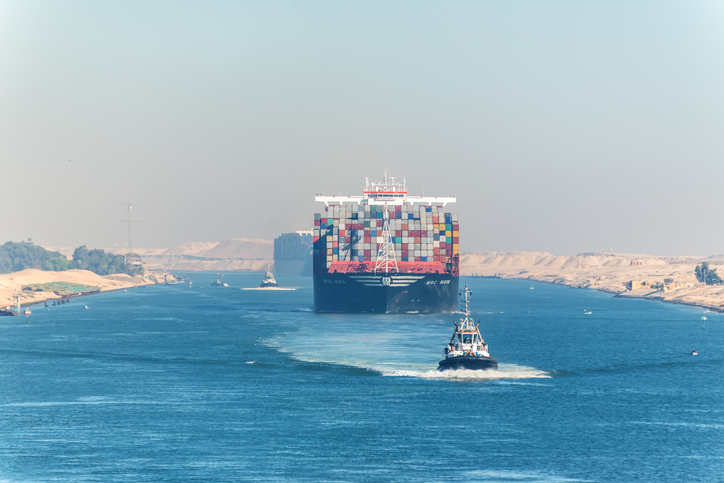
After several years of ups-and-downs, there is some encouraging (and hopefully durable) news in the Red Sea. Traffic through the Suez Canal has recovered to about two-thirds of its pre-conflict volume, and almost all major carriers have resumed Asia-Europe sailings through the Red Sea. The shorter route saves 10 to 12 days compared with sailing around Africa, and because the return has been gradual, it has not caused significant port congestion. The route still carries risk, but analysts note that attacks on vessels have slowed in recent weeks.
 The picture remains unclear in the area of Hormuz. Oil prices have fallen to two-month lows on hopes of de-escalation, yet tankers continued to be struck near the strait, with differing accounts of the incidents. Attacks on ships reached 37 in October, the highest monthly total since the conflict began. With conflicting statements continuing from all sides, the story remains the same, so shippers should expect continued volatility in fuel costs and transit times through the region.
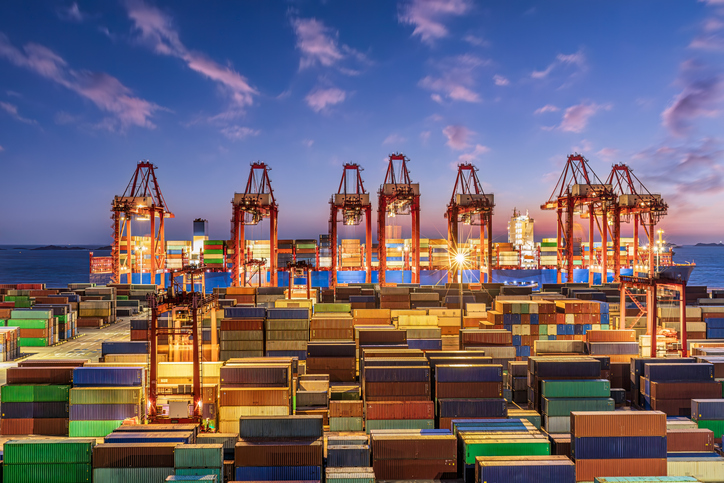
U.S. importers continue to show resilience. Container imports reached an all-time monthly high in October, up 5.0% from September and 16.0% from a year ago, passing the previous record set in May 2022. Imports from China rose for the fourth straight month, lifting China’s share of total U.S. imports to 36.9%. Port delays increased modestly for the third consecutive month, and analysts recommend closely watching tariffs and security risks on key routes.
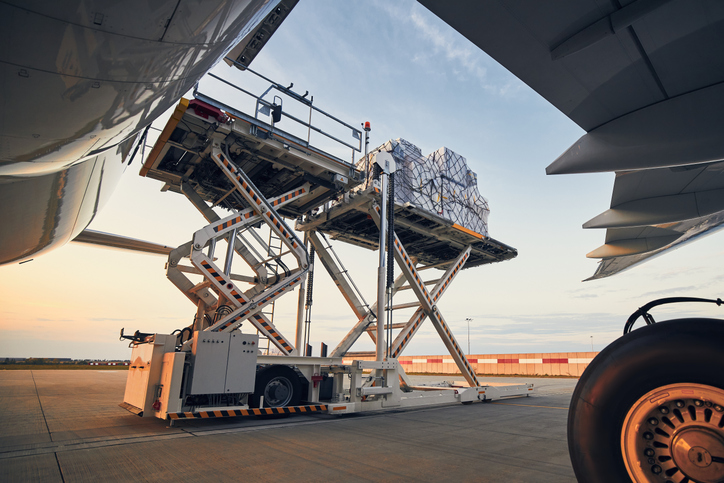
Air cargo rates have climbed to their highest level of 2026 as peak season demand builds ahead of Black Friday, Thanksgiving, and the holiday shopping season. Global rates are up 28.2% from a year ago, with outbound rates from Hong Kong up 29.2% and Shanghai up 21.1%. The increase comes even as jet fuel prices eased, reflecting strong demand and seasonal cuts to passenger capacity on transatlantic routes. With the busiest weeks of peak season still ahead, shippers with time-sensitive freight should plan early whenever possible.
For the rest of the week’s top shipping news, check out the article highlights below.