


The Weekly Roar
In this week’s Roar: November rate hikes, the transpacific’s golden run, AI’s data readiness gap, a manufacturing rebound, and the policy risks pushing logistics costs higher.
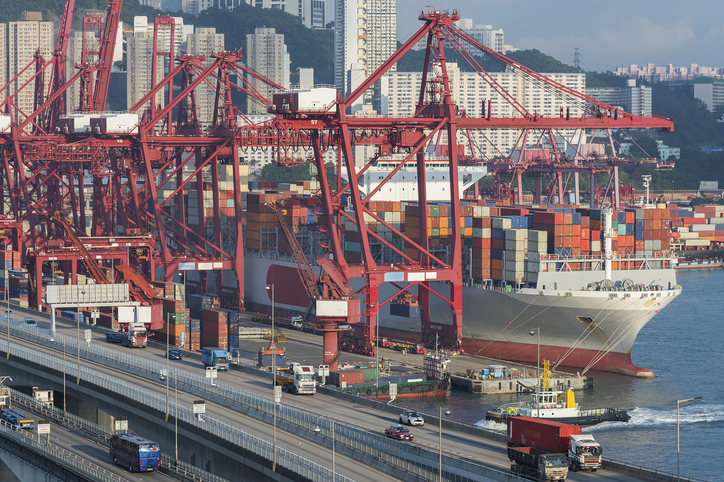
Carriers are pushing for steep rate increases on transpacific lanes in November, but they may not stick. Asia to U.S. East Coast rates slipped 6% last week, while West Coast rates held near their September highs as demand has slowed and capacity has loosened. However, with Lunar New Year coming, easing pressure on rates may be short-lived, so assuming rates will drop further may be a mistake.
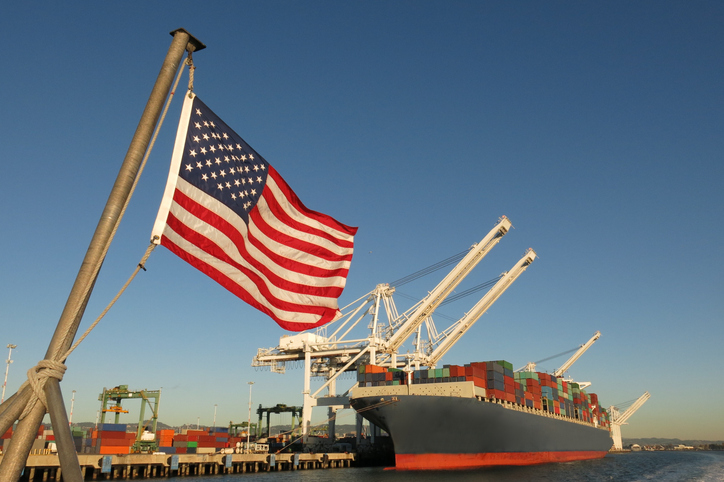
Transpacific has become the most lucrative (for carriers) major trade in container shipping. Analysts estimate carriers earn roughly five times more spot revenue per mile on Shanghai to Los Angeles than on shipments to North Europe around Africa, and one major carrier reported transpacific revenue up 61.2% in the third quarter. Carriers are responding with bigger ships and new services, pushing weekly Asia to U.S. West Coast capacity toward record levels. With U.S. imports forecast to drop 11% month over month in November, that extra capacity may finally help with persistent high rates.
 Companies are investing in AI and automation faster than their data can keep up. A new survey found that nearly 60% have automated most processes or adopted AI, but only 38% have centralized, real-time data integration. Another 41% can pilot new technology but struggle to scale it across their operations. For companies, building a more connected data foundation that includes better data sharing with logistics partners should be the priority before their next big technology investment.
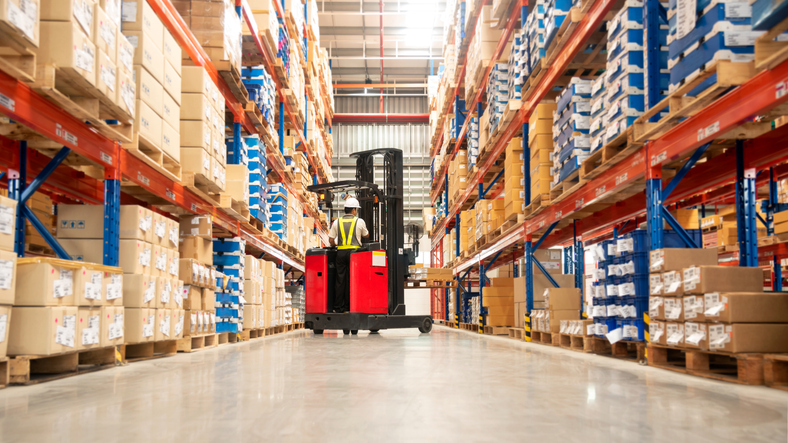
U.S. manufacturing is picking up speed, which is increasing freight demand. The October manufacturing index rose to 55.5%, its 10th straight month of growth, with production at its highest level since 2021. Customer inventories remain low, pointing to more production and inbound shipments ahead, although respondents cite tariffs, conflict in the Middle East, and longer lead times as concerns.
According to the October Logistics Manager’s Index, market activity reached its second-highest level in four years, but government and geopolitical pressures are pushing costs up. Inventory costs hit their highest level since 2022 as companies rebuild stock they held back last year to avoid tariffs. Diesel is up 71% from a year ago, and there is fear that interest rates could rise as early as December. Logistics managers expect prices to keep climbing over the next year, so companies should build rising costs into their 2027 planning.
For the rest of the week’s top shipping news, check out the article highlights below.