


The Weekly Roar
In this week’s Roar: The impact of geopolitical instability, rescuing more than 11,000 seafarers, the EU’s de minimis exemption, diesel prices still dropping, and how industry leaders problem-solve… or don’t.
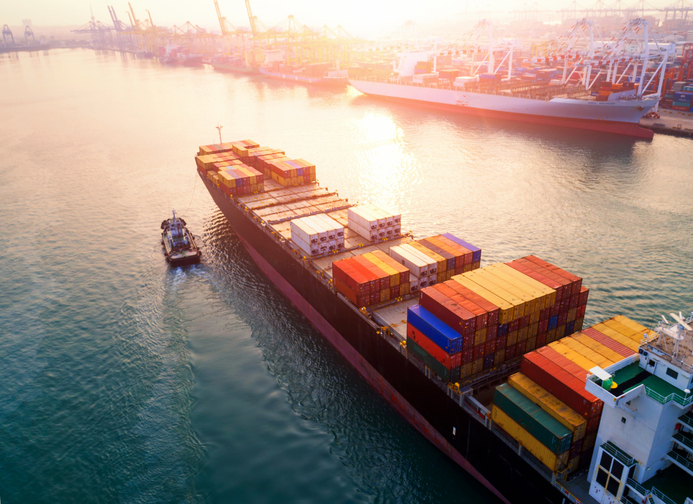
In what is probably not a surprise to most, for the fourth year in a row, geopolitical instability is ranked as the top risk for global shipping according to the ICS Maritime Barometer 2025-2026. The 185 maritime executives they surveyed called geopolitical instability a risk multiplier that amplifies threats such as cyberattacks and regulatory fragmentation at a time when supply chain complexity and demands are already increasing.
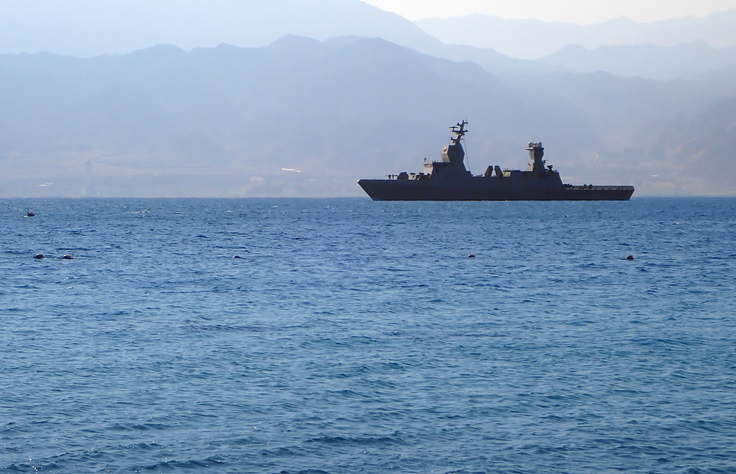
 An evacuation plan by the International Maritime Organization is underway for more than 11,000 seafarers who have been stranded since February in the Strait of Hormuz. This comes after new safety guarantees and some cooperation from the U.S., Iran, Oman, and Gulf states. The main waterway is still largely closed due to mines, but traffic is starting to trickle through. In addition, shipping companies are dealing with uncertainty as Iran continues to threaten permanent transit fees.
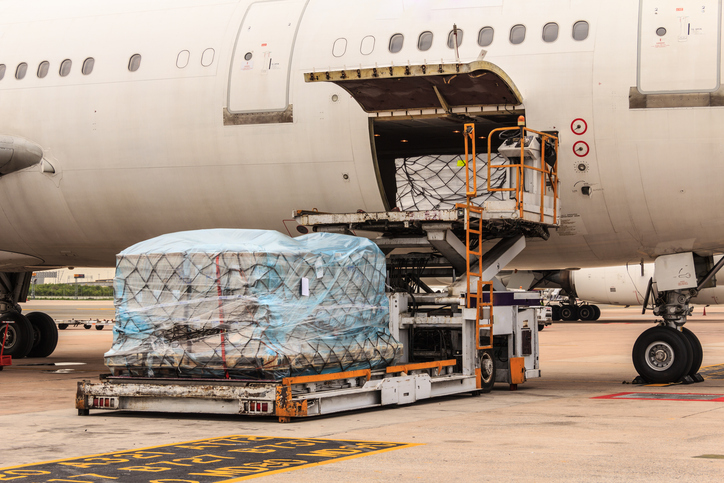
Starting in July, the EU will suspend its de minimis exemption for low-value imports under €150 and replace it with a €3 flat-rate tax and then a €2 processing fee. Nearly 5.9 billion low-value parcels entered the EU duty-free in 2025. Back in March, France introduced something similar and within days saw a 92% drop in small parcel customs declarations at Paris CDG Airport. Will everyone in the bloc impose something similar? Only time will tell, but this may be a clear sign of things to come.
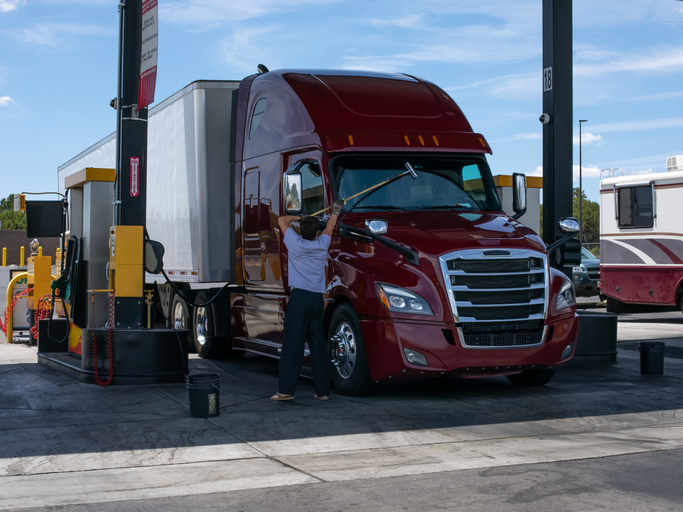
The benchmark DOE/EIA diesel price dropped for the eighth straight week, sitting at $4.832 per gallon as of last week. It’s the first time below $5 since early March and down 22.7 cents from last week. Diesel futures also fell over 50 cents in the last two weeks, which is a reflection of falling oil prices as access improves at the Strait of Hormuz.
A recent survey of more than 2,000 senior supply chain and tech leaders looked at how they solve problems or react when situations arise. The results showed that 27% of seek solutions to transportation challenges by improving processes. 22% look into tech solutions before even defining the operational issue. Only 15% of them start with a strategy in place instead of basically ‘winging it’. And that’s a problem. Experts are warning that this is leading to costly mistakes, underused resources, and poor integration.
For the rest of the week’s top shipping news, check out the article highlights below.